Regenerative Farming
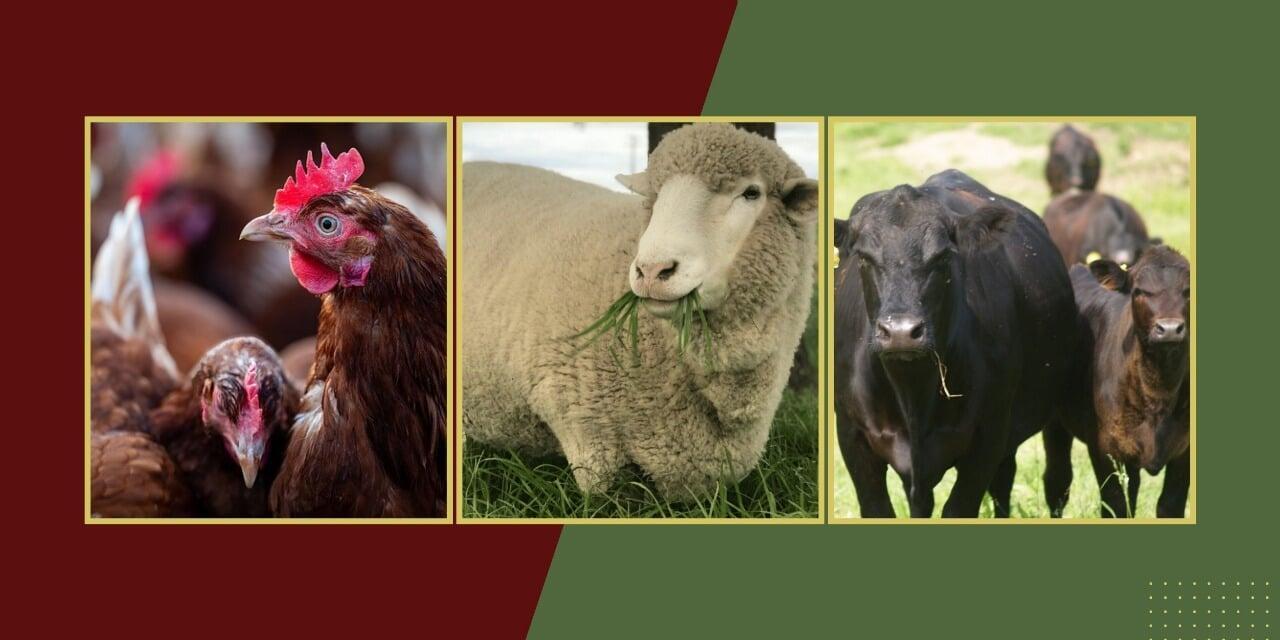
Regenerative agriculture represents a significant paradigm shift from conventional farming, focusing on a holistic approach that actively seeks to improve the land rather than merely sustaining it. This method is distinguished by its core principles, which leverage the interconnected relationship between livestock, crops, and the land to create a self-sustaining and resilient ecosystem. Key practices, such as Ultra High Density Grazing (UHDG), mimic natural animal behaviors and promote soil health by distributing dung and urine to naturally fertilize the land. This process enhances soil biodiversity and nutrient density, leading to meat that is described as exceptionally flavorful and rich in healthy fats like Omega-3s.
Focusing on ethical practices and minimizing environmental impact, regenerative farming addresses some of the most pressing concerns consumers have about modern food production, thereby offering a product with a built-in moral and ecological appeal.
This is meat the way nature intended.